A Brief Telling of Two Lives
by Karen Andrus
The First Life
Eunice Justice was born too small for the name her parents wrote on the birth certificate. She was too shy for it, she shrank in its shadow, a dim pool of color so saturated it swallowed her. Inching forward in life, clinging from word to word in the stanza of each day, Eunice lived in a poem drawn up in short, staccato lines, pinched and tense until relieved by solitary quiet.
She spent the best part of childhood unobserved, witnessing large and small life where County Road 5 crossed Stedman’s Run. Here were four things she noticed:
- the angle of the sun sent shadows shifting throughout the day
- autumn-tinged sycamore leaves were so bright the color hurt her eyes
- after a freeze, ice cracked in hexagonal lines
- so long as you avoided eye contact, it was easy to capture a fly
In the house, a worn-out place, a piano’s weight contributed to the sag of the wood floor. A few paces away, Eunice claimed the corner behind the sofa. Over time she gathered the makings of a nest: her father’s old undershirts from the rag basket, a frayed afghan, a cast-off pillow with the feather stems poking out. From this soft place she listened as her mother clanked on the sour keys, singing harmony to melody.
This is where she learned about love. It showed up in her mother’s voice, and it showed up like this:
- no one asked about her nest and no one moved it
- when her grandfather cracked a watermelon open, he saved the heart for her
- every night her dad divided an orange, he said, to aid everyone’s digestion
- most of all, she was left alone
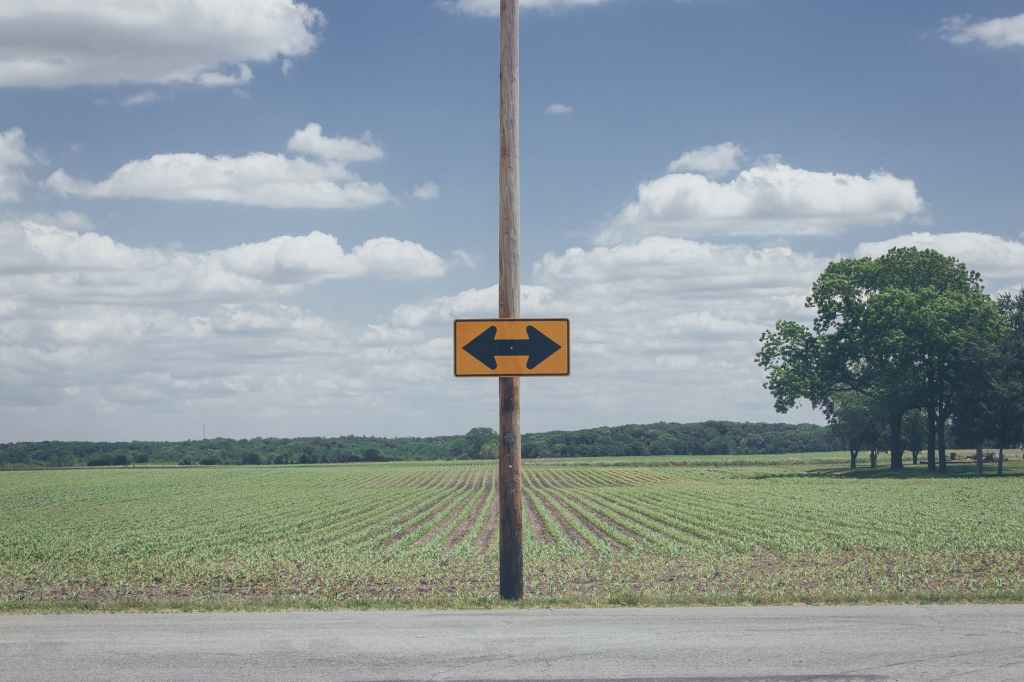
Years later, flying over Minnesota, Eunice typed on her laptop. She scrutinized the last-minute changes to her presentation. When a shadow crossed her tray table, she looked up and turned toward the window. The geometry of the farm fields below brought her memory back to the intersection of her beginnings, where County Road 5 crossed Stedman’s Run.
Life hasn’t changed much, she thought.
The squares on the checkerboard below gave way to crop circles.
I still observe the large and small of life.
Eunice uncrossed her legs, careful not to brush her seatmate.
I still prefer to be alone.
Returning to her editing, she typed in a new title: Nano Physics…Seen From a Distance.
The Second Life
Jonas Johnson was born near the Boundary Waters, as round as the vowels in his parents’ coos and praise. His name was a simple one, an easy title for an open-ended poem of free verse. Surrounded by Norwegian and Swedish Johnsons, he was met most winters by the effervescence of the Northern Lights. He was welcomed most everywhere. Jonas moved with the confidence of a river after a steady rain.
There was so much of it, Jonas didn’t think about love.
From the age of four, his father nudged him awake on summer mornings. Hot oatmeal steamed in a bowl on the kitchen table, coffee percolated on the woodstove. All of this while his mother slept a room away.
He and his dad sank their waterproof boots into the marsh encroaching their property. Since the neighbors never rerouted the drainage ditch after heavy summer rains, the marsh grew a little every year. Now the duck blind his father built was easy walking distance from the house.
Once settled behind the blind, they waited. As the morning cold lifted, mist hugged the lake. Occasionally his father would sip from his thermos. They didn’t talk, but the moment one of them sighted the ducks or heard the loon call to its mate, their eyes would meet. It was those meetings which stayed with Jonas, and thirty years later, made him a good father.
 Karen Andrus